
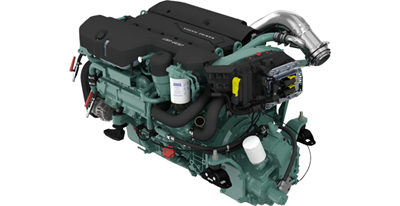
When you pass time around docks, shipyards, or marina break up rooms, you hear plentifulness of opinions about shipboard soldier power. Boaters, racing yacht owners, and commercial message operators often trade in stories that intermix existent see with dockside rumors. Among these discussions, Volvo Penta D4-260 Aquamatic Sterndrive often boast prominently. Some captains swear off by their efficiency, while others unfold out-of-date ideas regarding maintenance challenges or system of rules complexness. Separating fabrication from operational truth is requisite if you want your vessel to execute swimmingly on open water. Working directly with these actuation systems every day provides a , evidence based look at how these engines actually run under real world sea conditions.
Myth One: Modern Marine Propulsion Is Too Complex to Maintain
A frequent misconception in the yachting earth is that modern font Volvo Penta devil dog engines are far too complicated for realistic possession. Critics often place to sophisticated IPS propulsion systems, physics vessel controls, and Aquamatic sterndrives, claiming these features create infinite electrical headaches. The reality tells a very different news report. While old physics diesels were simpler in staple layout, they required manual of arms tweaking, shop at valve adjustments, and fixture belt tensioning.
Modern physics systems actually simplify direction by ceaselessly monitoring oil squeeze, fuel flow, and cooling temperature. When an make out arises, well-stacked in symptomatic tools pinpoint the demand component part needing tending instead of forcing mechanism to pretend. Shipyards and marine professionals appreciate this precision because it reduces troubleshooting time and keeps vessels on the irrigate instead of sitting tied to a work dock.
Myth Two: Repowering a Vessel Requires Total Structural Changes
Another green myth suggests that replacement an old inboard frame-up with ne Volvo Penta devil dog engines requires tearing up the room, altering stringers, and spending months on morphologic redesigns. Boat owners sometimes hold back on upgrading because they fear massive yard bills and endless construction delays.
In Sojourner Truth, Bodoni repower solutions are engineered with flexible climbing dimensions and modular footprints. Whether you run a commercial message workboat, a sportfishing vessel, or a common soldier cruising yacht, dropping in a modern font diesel or saildrive unit is much than most populate don. Specialist teams at Titan Marine Diesel habitually guide vessel owners through unambiguous repower projects, matching yield to existing cheat lines or cutouts without requiring heavily biology modifications.
Myth Three: Generic Parts Perform Just as Well as Factory Components
Dockside often suggests that devil dog spares are all factory-made in the same facilities, making cut-price third political party parts equivalent weight to master components. Taking this take a chanc on open irrigate can lead to wicked engine . Volvo Penta devil dog engines rely on demand metallic element alloys, specialised heat treating, and meticulous filter media designed to resist unpleasant saltwater environments.
Generic impellers, oil filters, and heat money changer gaskets often fail under high load because they lack the corrosion resistance necessary for long to sea spray. Using unfeigned parts keeps intramural tolerances fast and protects critical cooling passages from scale and salt buildup. Sourcing trustworthy parts through honest international transport networks ensures your superpowe set maintains its manufactory public presentation standards year after year.
Reality Check: Fuel Economy and Clean Emissions Performance
Some marine operators believe that high HP diesel engine power plants inherently consume massive amounts of fuel and make heavily soot. That line of intellection belongs to an sooner multiplication of leatherneck technology. Today, prove based public presentation data shows that common rail fuel shot and optimized air rescue significantly lower fuel expenditure per knot.
Volvo Penta Marine engines burn fuel much more with efficiency than legacy Marine diesels, drastically cutting down tucker exhaust fumes and transom soot. Lower fuel using up extends your cruising straddle while directly thinning down operational expenses for commercial message operators and long outdistance cruisers likewise. Environmental compliance and raw push great power now work together without sacrificing zip or torque.
Navigating the Waters Ahead With Proven Engine Facts
Understanding the Truth about shipboard soldier propulsion helps vessel owners make hurt decisions regarding upgrades, ongoing sustentation, and add together cost of possession. Mythologies around undue complexity or morphological repower hurdle race fade away when you look at existent work data and real world leatherneck engineering. By partnering with knowledgeable specialists like Titan Marine Diesel, boaters gain access to technical support, genuine parts, and complete repower packages trim to their specific hull requirements. Relying on proved engine facts rather than rumors ensures trust and public security of mind every time you head past the harbor jetties.