
A well-fitted leather overcoat can completely change the way a man looks during colder months. When shopping for a quality leather coat, the goal is not simply to find the largest or most comfortable option. The coat should provide enough room for layering while still maintaining a clean and structured appearance. A Pelle Pelle Store can be a useful reference point for men looking at different leather styles, cuts, and fits.
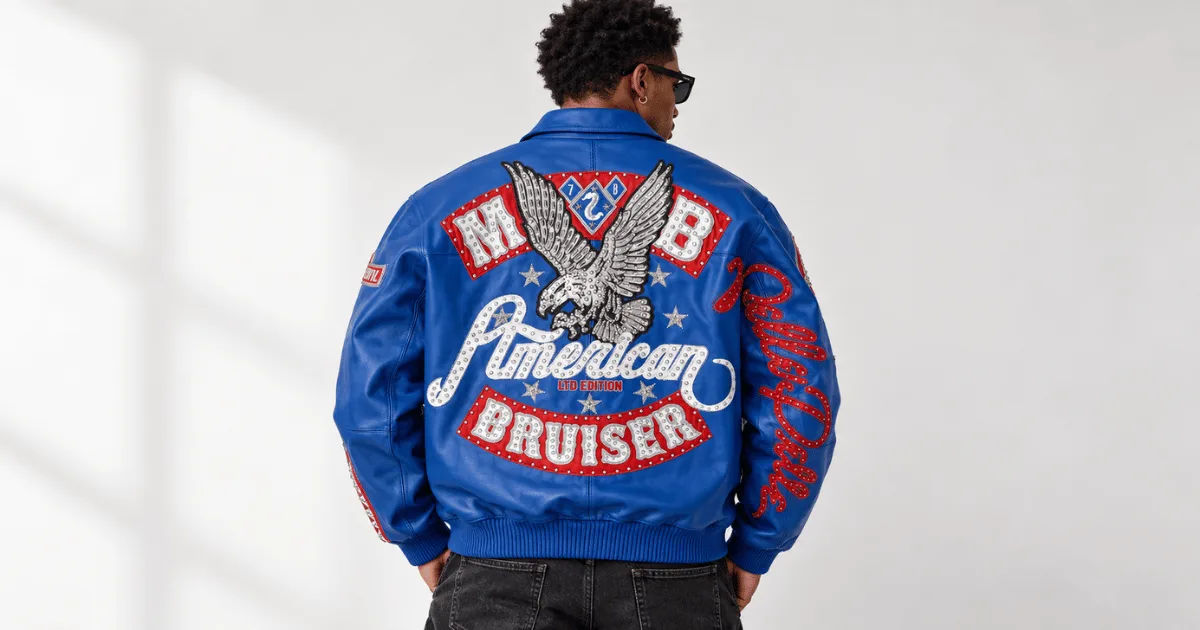
Leather overcoats are different from ordinary leather jackets because they are usually longer and designed to be worn over other clothing. This means the fit needs to balance comfort, movement, warmth, and appearance. A coat that is too tight can restrict movement, while one that is too loose may look shapeless.
Understanding how a leather overcoat should fit makes it easier to choose the right size and style. From shoulder placement to sleeve length and coat length, every detail affects the overall appearance.
What Makes a Leather Overcoat Different?
A leather overcoat is generally longer than a traditional leather jacket. It may reach the hips, thighs, knees, or even lower depending on its design.
Because an overcoat is intended to be worn over shirts, sweaters, hoodies, or formal clothing, it normally has a little more room through the body. However, additional room should not be confused with an oversized fit.
The coat should follow the natural shape of the body without clinging tightly. The shoulders should look structured, and the fabric should fall smoothly rather than bunching around the torso.
A Pelle Pelle Store collection may include several leather silhouettes, making it important to understand the difference between a relaxed overcoat and a deliberately oversized fashion coat.
How Should the Shoulders Fit?
The shoulders are one of the most important areas to check when trying on a leather overcoat.
The shoulder seam should sit close to the natural edge of your shoulder. It should not extend several inches beyond the shoulder unless the coat is intentionally designed with a dropped-shoulder or oversized construction.
If the shoulder seam sits too far inward, the coat is probably too small. You may notice tension across your upper back or shoulders when moving your arms.
A coat with correctly positioned shoulders should allow you to move naturally. Raise your arms, reach forward, and cross your arms in front of your body. Some movement is essential because leather can feel less forgiving than softer fabrics.
How Much Room Should There Be Around the Chest?
A leather overcoat should have enough room around the chest for the clothing you normally wear underneath it.
For example, if you usually wear a dress shirt and sweater during winter, you should try the coat while wearing similar layers. Testing the coat over only a thin T-shirt can give you an inaccurate idea of its true fit.
The chest should not feel compressed when the coat is buttoned or zipped. At the same time, you should not have a large amount of empty space that causes the front to hang away from your body.
A practical test is to close the coat completely and take a few deep breaths. You should be able to breathe comfortably without feeling pressure across the chest.
How Should the Waist and Torso Fit?
The torso of an overcoat should create a clean vertical line. It should not cling tightly around the stomach, but excessive fabric can make the coat look bulky.
Men with a broader build may prefer a slightly relaxed cut. This provides comfortable layering without forcing the leather to stretch around the midsection.
Men with slimmer builds may prefer a more tailored shape. A structured leather overcoat can create a sharper silhouette while still providing enough space for winter clothing.
When shopping at a Pelle Pelle Store, pay attention to the coat's overall cut rather than choosing a size based only on the label.
What Is the Correct Sleeve Length?
Sleeve length is another important part of a proper overcoat fit.
Ideally, the sleeves should reach approximately to the wrist and provide enough coverage when your arms are relaxed. Depending on the design, an overcoat sleeve may extend slightly beyond the wrist.
Your shirt cuff may be partially visible with certain formal styles, while other winter-oriented designs provide more coverage.
Sleeves that are significantly too short can make the entire coat look undersized. Sleeves that are excessively long can cover much of your hands and make the coat appear too large.
Try bending your arms and moving your hands before deciding whether the sleeve length works for you.
How Long Should a Leather Overcoat Be?
The appropriate coat length depends heavily on personal style and intended use.
A shorter leather overcoat may finish around the upper thigh. This is practical for casual outfits and provides more freedom of movement.
A mid-thigh coat offers a classic balance between coverage and mobility. It can work well with both casual and semi-formal clothing.
Longer leather overcoats may reach the knees or slightly below. These styles provide greater coverage and can create a sophisticated appearance.
A Pelle Pelle Store may offer different lengths and silhouettes, so consider your height and wardrobe before choosing one.
Short Men and Coat Length
Shorter men should be careful with extremely long overcoats. A coat extending far below the knees can visually shorten the body.
A coat that ends around the thigh or knee can often create a more balanced appearance.
The exact length should still depend on personal preference and the design of the coat.
Tall Men and Coat Length
Tall men generally have more flexibility with coat length. Long leather overcoats can complement a taller frame particularly well.
However, the coat should still maintain proportion. Excessively long sleeves or an overly wide body can make even a tall person appear overwhelmed by the garment.
Should a Leather Overcoat Be Tight or Loose?
A leather overcoat should generally be neither skin-tight nor excessively loose.
The ideal fit is comfortable and structured. You should have enough room for your normal winter layers while maintaining a defined silhouette.
A useful test is to wear the thickest sweater you expect to wear underneath the coat. Fasten the coat and move your arms in several directions.
If the leather pulls strongly across your back, chest, or shoulders, consider a larger size or roomier cut.
If there is excessive fabric around your stomach, back, and arms even after layering, the coat may be too large.
How Should the Armholes Fit?
Armholes affect both comfort and movement.
An armhole that is too tight can make a coat uncomfortable even if the chest measurement seems correct. You may feel pulling under your arms whenever you reach forward.
An extremely low armhole can provide additional room but may make the coat feel bulky and reduce control over the garment.
A good leather overcoat should allow natural movement without excessive pulling or sagging around the armpits.
This is especially important if you plan to drive, walk long distances, or perform activities while wearing the coat.
How Should the Back Fit?
Look at the back of the coat while standing naturally.
The leather should fall relatively smoothly without large horizontal folds. A small amount of movement-related wrinkling is normal, especially when your arms are moving.
If the back is stretched tightly when the coat is closed, it may be too small. If there is a large amount of excess material running down your back, it may be too large.
Some fashion-oriented leather coats intentionally use a relaxed back, so the design should also be considered.
What Should You Wear Under a Leather Overcoat?
The clothing underneath should influence the size you choose.
For mild weather, you might wear a shirt or lightweight sweater. In colder weather, you may need a thicker sweater, sweatshirt, or multiple layers.
A common mistake is purchasing an overcoat based on how it fits over a thin shirt. Later, the owner discovers that the coat becomes uncomfortable when worn over winter clothing.
Before purchasing from a Pelle Pelle Store, consider the clothes you expect to wear underneath the coat most often.
Leather Overcoat Fit for Casual Outfits
A leather overcoat can work well with jeans, sweaters, boots, and casual shirts.
For this type of outfit, a slightly relaxed fit can look natural. The coat should still maintain its shape rather than appearing several sizes too large.
A casual leather overcoat can also accommodate thicker sweatshirts or hoodies. Make sure the shoulders and sleeves remain comfortable when the extra layer is added.
The goal is a relaxed appearance without losing structure.
Leather Overcoat Fit for Formal Outfits
Leather overcoats can also be styled with formal clothing.
If you plan to wear the coat over a suit, allow enough room for the suit jacket underneath. The leather coat should not crush the shoulders or cause the suit to bunch.
The coat should also be long enough to provide appropriate coverage over the formal clothing.
A cleaner, more tailored silhouette is generally suitable for formal occasions. Looking at structured options at a Pelle Pelle Store can help when comparing different designs.
Should You Size Up for Layering?
Sizing up can sometimes be useful, but it should not automatically be the solution.
If the coat is specifically designed as an overcoat, the manufacturer may already include additional room for layering. Buying an unnecessarily large size can create problems with sleeve length, shoulder placement, and overall proportions.
Instead of automatically choosing one size larger, compare your measurements with the manufacturer's sizing information.
Try the coat with the layers you actually intend to wear. This gives you a much better indication of whether the size is correct.
How Can You Check the Fit Before Buying?
Several simple tests can help you determine whether a leather overcoat fits properly.
First, button or zip the coat completely. Check whether the front closes without excessive tension.
Next, move your arms forward and upward. You should have enough freedom to move without strong pulling across your back.
Then sit down while wearing the coat. A properly fitted overcoat should remain reasonably comfortable when seated.
Finally, inspect yourself from the front, side, and back. Look for balanced proportions, smooth lines, and excessive bunching.
A Pelle Pelle Store sizing chart can provide useful measurements, but your actual layering needs and body proportions should also be considered.
Common Leather Overcoat Fit Mistakes
One common mistake is choosing a coat that is too tight because it looks more fashionable while standing still.
Leather does not always provide the same stretch as knitted or woven fabrics. A tight coat can quickly become uncomfortable when you start moving.
Another mistake is buying a coat that is too large simply because it is intended for winter layering.
Extra room is useful, but excessive volume can destroy the clean shape of an overcoat.
Ignoring sleeve length is another frequent problem. Even a well-fitting coat can look awkward if its sleeves extend too far over the hands.
Finally, buyers sometimes focus entirely on chest size while ignoring the shoulders, armholes, and coat length. All these measurements work together.
Does Leather Stretch Over Time?
Leather can soften and develop a more comfortable feel with regular wear, but buyers should not depend on significant stretching to fix an incorrectly sized coat.
A leather coat that is painfully tight at the time of purchase should not be treated as a coat that will automatically become the perfect size.
Natural leather may change slightly with use, but this is different from gaining an entire size.
For this reason, select a coat that fits comfortably from the beginning. A Pelle Pelle Store customer should consider the original fit, construction, and intended layering rather than expecting major size changes over time.
How Body Shape Affects Overcoat Fit
Every man's body is different, so the same coat can look different on different people.
Men with broad shoulders may need to prioritize shoulder and chest measurements. Men with longer arms may need to pay particular attention to sleeve length.
Men with larger midsections may benefit from relaxed cuts that provide sufficient room through the torso.
Slimmer men may prefer coats with more structured or tailored designs that follow the body's shape without creating excessive volume.
The best fit is ultimately the one that accommodates your proportions while allowing comfortable movement.
Leather Quality and Fit
The quality and thickness of leather can also affect how a coat feels.
Thicker leather may feel more structured and firm, especially when new. Softer leather can feel more flexible and comfortable immediately.
The lining also affects how easily the coat moves over clothing. A smooth lining can make layering easier.
When comparing coats, do not evaluate fit without considering construction. A well-designed leather overcoat should combine useful room with a controlled silhouette.
How Should a Leather Overcoat Feel When Sitting?
An overcoat should remain reasonably comfortable when you sit down.
If the front pulls aggressively or the shoulders become restrictive, the coat may be too small.
Longer coats can naturally gather around the hips when sitting, so some adjustment is normal. You can also open the buttons or zipper when seated for additional comfort.
If you regularly drive while wearing the coat, test it inside a vehicle if possible. Driving requires considerable arm movement, making shoulder and back comfort especially important.
Final Checklist for the Perfect Fit
Before buying a leather overcoat, examine the entire garment rather than focusing on one measurement.
The shoulder seams should sit close to your natural shoulders. The chest should allow comfortable breathing and normal winter layers.
The torso should look structured without feeling restrictive. The sleeves should reach an appropriate point around the wrists.
The length should complement your height and personal style. You should also be able to walk, sit, reach, and drive comfortably.
Most importantly, the coat should feel comfortable with the clothing you genuinely plan to wear underneath it.
Conclusion
Choosing the right fit for leather coats for men as overcoats requires more than simply selecting your usual clothing size. A successful fit should balance comfort, movement, layering space, and appearance. The shoulders need to sit correctly, the chest should provide enough room, and the sleeves should offer appropriate coverage.
The length is equally important. Shorter coats can provide greater mobility, while longer designs offer additional warmth and a more dramatic appearance. Your height, body shape, wardrobe, and intended use should all influence your decision.
A Pelle Pelle Store can be a useful place to explore different leather styles, but understanding fit remains essential regardless of where you shop. Measurements and size charts can help, but trying the coat with your normal winter layers provides an even better assessment.
Remember that an overcoat should not fit like a tight leather jacket. It is designed to sit over other clothing, so some additional room is necessary. However, that room should remain controlled rather than turning into an oversized, shapeless appearance.
The best leather overcoat feels comfortable when standing, walking, sitting, and moving your arms. It should also maintain a clean silhouette from every angle.
Whether you prefer a classic, tailored design or a relaxed modern style, taking time to assess the shoulders, chest, sleeves, torso, armholes, and length will help you make a better choice. With the right proportions, a leather overcoat can become a versatile and long-lasting part of a man's wardrobe.