
A garage door opener is one of the most convenient parts of a modern garage system. With a simple press of a button, the door can lift smoothly, allow a vehicle to enter, and close securely afterward. When the opener stops responding, however, the entire garage can become difficult or impossible to use. Homeowners may wonder whether they need to replace the opener or whether a professional can repair it.
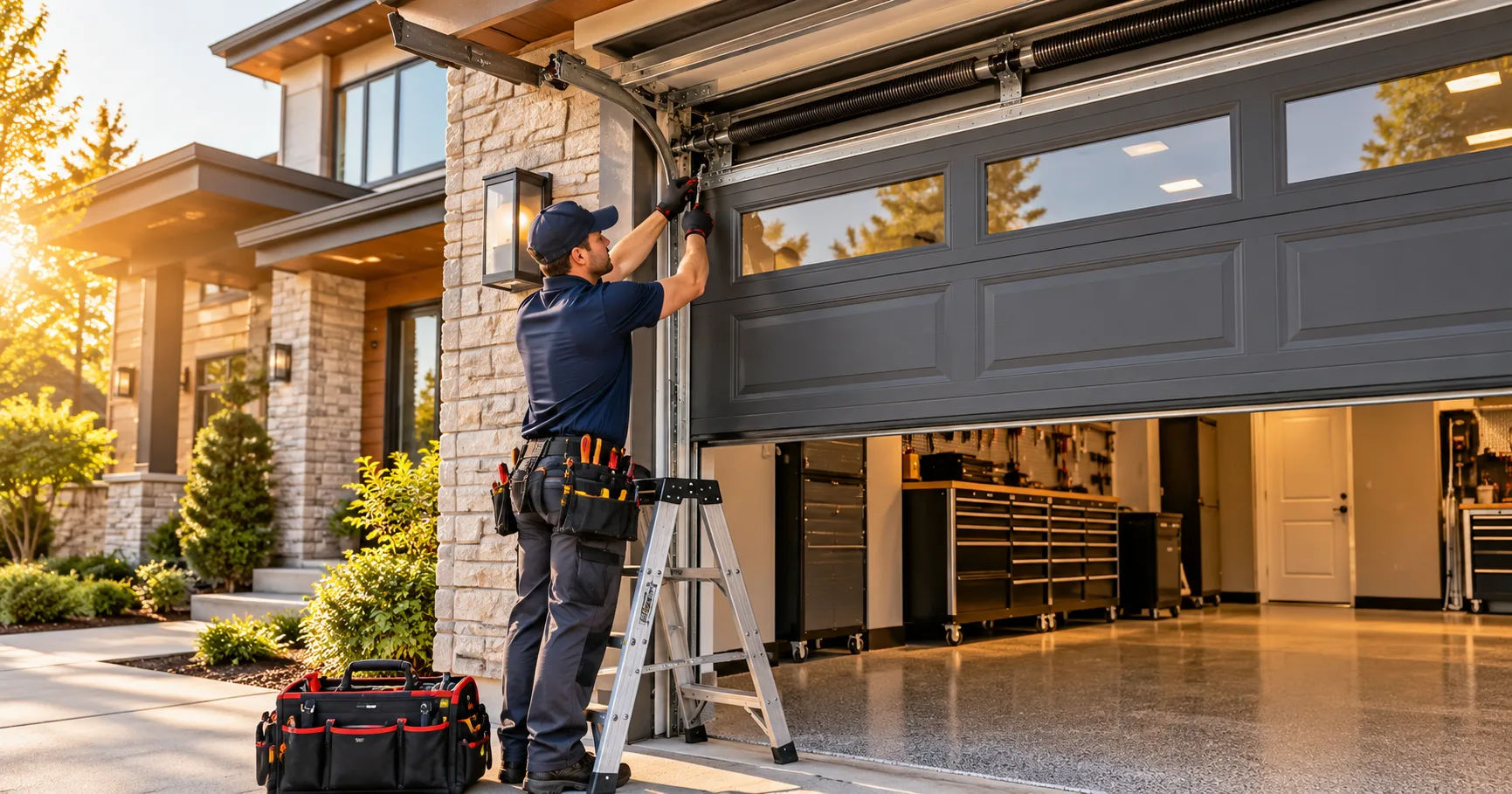
In many situations, opener problems can be repaired without replacing the complete system. A professional technician can inspect the opener, identify the underlying issue, test the electrical and mechanical components, and determine whether repair is practical. For homeowners looking for help, a Garage Door Company in Surprise AZ may provide opener troubleshooting and repair as part of its garage door services.
Understanding what technicians repair, what causes opener failures, and when replacement makes more sense can help homeowners make a better decision. This guide explains garage door opener repair in detail, including common problems, repair procedures, costs, safety considerations, and situations where professional assistance is recommended.
What Does a Garage Door Opener Do?
The garage door opener is the motorized system that controls the movement of the garage door. It receives a signal from a remote control, wall-mounted button, keypad, or smart-home application and activates the motor.
The motor then operates a drive mechanism that moves the garage door along its tracks. Depending on the opener design, the drive system may use a chain, belt, screw, or another mechanism.
Modern openers also include safety components. Photo-eye sensors detect objects in the doorway and can prevent the door from closing when something is in its path.
Because the opener combines electrical, mechanical, and safety components, a failure in one part can affect the entire system.
Can a Garage Door Company Repair Openers?
Yes, many garage door companies repair garage door openers. The exact services available depend on the company and the type of opener, but professional technicians commonly diagnose and repair problems involving motors, remotes, sensors, drive systems, wiring, switches, and other components.
A technician generally begins with an inspection rather than immediately recommending replacement.
This is important because a garage door opener that does not work may have a relatively simple problem. For example, the remote battery could be dead, the safety sensors could be misaligned, or the opener could have lost its power supply.
If the problem involves a repairable component, replacing that component may restore normal operation.
Common Garage Door Opener Problems
The Opener Does Not Respond
One of the most common complaints is that the garage door opener does nothing when the remote or wall button is pressed.
The first things to check are the electrical connection and remote batteries. If those appear normal, the problem may involve the opener's internal controls, wiring, wall switch, or motor.
A technician can test the opener to determine whether electricity is reaching the appropriate components.
The Motor Runs but the Door Does Not Move
Sometimes homeowners can hear the opener motor running, but the garage door remains stationary.
This can indicate a problem with the drive mechanism or the connection between the opener and door. A broken or disconnected component may prevent the motor's movement from being transferred to the door.
A professional can inspect the drive assembly and determine which component needs attention.
The Garage Door Reverses
A garage door that starts closing and then immediately reverses can be frustrating.
Safety sensors are often involved. If the sensors are dirty, misaligned, damaged, or blocked, the opener may interpret the situation as an obstruction.
However, sensor problems are not the only possible cause. Incorrect travel settings or other mechanical issues can also cause unusual door movement.
A technician can test the safety system and opener settings rather than simply guessing at the cause.
Remote Control Stops Working
A nonresponsive remote does not necessarily mean the opener itself is broken.
A weak battery is one of the simplest explanations. Other possibilities include programming problems, interference, damaged buttons, or a problem with the opener's receiver.
A professional can determine whether the issue is limited to the remote or involves the opener system.
The Opener Makes Unusual Noises
Grinding, clicking, buzzing, or excessive vibration can indicate mechanical wear or another internal problem.
Some noise can be normal depending on the opener's design, especially with older chain-drive systems. A sudden change in sound, however, deserves attention.
Continuing to operate a system that is making unusual noises may allow a small problem to become more serious.
What Does Opener Repair Usually Include?
A professional opener repair can involve several different services depending on the diagnosis.
Electrical Inspection
Technicians can inspect power connections, wiring, switches, and other electrical components.
Electrical problems can sometimes appear similar to motor failure, so testing is important before purchasing replacement equipment.
Sensor Adjustment
Photo-eye sensors need to face each other correctly and remain unobstructed.
A technician can check their alignment, wiring, mounting position, and operation. If a sensor has failed, replacement may be necessary.
Remote and Keypad Programming
Modern garage door systems often use remote controls and wireless keypads.
A technician may reprogram remotes, replace batteries, troubleshoot communication problems, or address receiver-related issues.
Drive System Repair
Chain, belt, and screw-drive systems can develop problems over time.
Depending on the condition, a technician may adjust, lubricate, repair, or replace worn components.
Motor Diagnosis
The motor is a critical part of the opener.
If the motor struggles, overheats, or fails to operate, a technician can test it and determine whether the motor itself is defective or whether another component is causing the problem.
Why Professional Diagnosis Matters
It may be tempting to replace an opener immediately when it stops working. However, replacement is not always necessary.
A professional diagnosis can separate a minor problem from a major failure.
For example, a homeowner might assume that a dead opener requires a new motor. After inspection, the technician could discover that the actual issue is a faulty sensor, damaged wiring, or a control problem.
Professional diagnosis can therefore save money by avoiding unnecessary replacement.
It can also improve safety because technicians understand how the opener interacts with the garage door's springs, cables, tracks, rollers, and safety systems.
When Should an Opener Be Repaired?
Repair may make sense when the opener is generally in good condition and the problem involves a replaceable or adjustable component.
Repair can be particularly reasonable when:
-
The opener is relatively modern.
-
The motor still operates properly.
-
Replacement parts are available.
-
The problem is limited to sensors, remotes, wiring, or settings.
-
The repair cost is significantly lower than replacement.
-
The opener has otherwise provided reliable service.
A technician can evaluate these factors during an inspection.
When Is Opener Replacement Better?
Repair is not always the best long-term solution.
An older opener may have multiple worn components. If repairs become frequent or expensive, replacement could provide better reliability.
Replacement may also be worth considering if the motor has suffered major damage or if necessary parts are no longer readily available.
Homeowners may also choose replacement when they want modern features such as smartphone control, improved security, quieter operation, battery backup, or updated safety technology.
The decision should be based on the condition of the existing opener, repair costs, expected lifespan, and the homeowner's needs.
Garage Door Problems That Look Like Opener Problems
Not every garage door failure originates in the opener.
The garage door itself can have mechanical problems that prevent the opener from working correctly.
Broken Springs
Garage door springs counterbalance the weight of the door. When a spring breaks, the door can become extremely heavy.
An opener that was previously able to lift the door may struggle or fail because it is not designed to carry the full weight of a properly balanced door.
Spring replacement is a specialized repair and should not be attempted casually.
Damaged Tracks
Bent or obstructed tracks can prevent rollers from moving properly.
The opener may continue operating while the door jams or moves unevenly. In such cases, repairing the opener alone will not solve the underlying problem.
Worn Rollers
Rollers help the garage door travel through the tracks.
Worn rollers can create excessive noise, resistance, and vibration. Replacing them may improve operation and reduce stress on the opener.
Broken Cables
Garage door cables work with the spring system to support controlled movement.
A damaged cable can create an unsafe condition and may cause the door to hang unevenly.
Because cables and springs can carry significant tension, professional service is strongly recommended.
How a Technician Diagnoses an Opener
A proper inspection usually follows a systematic process.
The technician may first ask what happened and when the problem began. This information can help identify whether the issue developed gradually or occurred suddenly.
The opener is then tested using available controls, such as the wall button and remote.
The technician may inspect the motor, drive system, sensors, wiring, mounting hardware, and control components.
The garage door itself should also be evaluated because an opener can be affected by excessive resistance from the door.
After diagnosis, the technician can explain whether repair or replacement is the more practical option.
Safety Considerations During Opener Repair
Garage door systems should be treated carefully because they contain heavy moving components and high-tension springs.
An opener can also involve electrical components.
Homeowners should avoid opening electrical housings, bypassing safety sensors, or attempting to repair high-tension spring systems without appropriate training.
Safety sensors should never be permanently bypassed simply to make the door operate.
A professional repair should restore the safety features rather than disable them.
Benefits of Hiring a Professional Garage Door Company
Hiring a qualified garage door company can offer several advantages.
First, professional technicians have experience diagnosing different opener brands and system designs.
Second, they can identify related mechanical problems that might otherwise be overlooked.
Third, professional repair can reduce the risk of incorrect installation or adjustment.
Finally, a proper inspection can help extend the useful life of an opener by identifying problems before they become more expensive.
For homeowners searching for a Garage Door Company in Surprise AZ, it is useful to ask about opener repair, diagnostic services, replacement parts, warranties, and emergency availability before scheduling service.
How Much Does Garage Door Opener Repair Cost?
The price of opener repair varies considerably.
A simple remote or sensor issue may cost much less than a major motor or drive-system repair.
Several factors influence the final price, including the opener's brand, age, type, required replacement parts, labor, and complexity of the repair.
Because prices vary, homeowners should request a clear estimate before authorizing significant work.
A good estimate should explain what has failed, what needs to be repaired, whether replacement parts are included, and whether there are additional service charges.
How to Choose an Opener Repair Company
Choosing the right service provider is important.
Look for a company that clearly describes its garage door and opener services. Experience with the specific opener brand can also be helpful.
Customers should pay attention to reviews and general reputation, but should not rely on reviews alone.
It is also wise to ask whether technicians provide written estimates and whether parts and labor are covered by a warranty.
A professional company should be willing to explain the diagnosis in understandable language rather than pressuring a homeowner into an immediate replacement.
Ways to Reduce Future Opener Problems
Regular maintenance can help prevent some garage door opener problems.
Keep the area around the safety sensors clear. Check that the sensors remain properly aligned and clean.
Pay attention to changes in door movement and unusual sounds.
Avoid repeatedly operating a garage door that is visibly damaged or extremely difficult to lift.
Periodic professional inspections can also identify worn components before they fail.
Homeowners should remember that opener maintenance is only one part of overall garage door maintenance. Springs, rollers, cables, tracks, hinges, and other components also affect system performance.
Are Smart Garage Door Openers Worth Considering?
Smart technology has changed garage door openers considerably.
Many modern systems can connect to a smartphone, allowing homeowners to monitor and control the garage door remotely.
Some systems provide notifications when the door opens or closes. Others can integrate with broader home automation systems.
These features can be convenient, particularly for families who frequently forget to close the garage door or need to provide temporary access to someone.
However, smart features should not be the only reason to replace a functioning opener. Homeowners should consider the existing opener's condition and the cost of upgrading.
Questions to Ask Before Repair
Before hiring a technician, homeowners can ask several practical questions.
Is the problem definitely with the opener?
Can the current opener be repaired?
Are replacement parts available?
How much will the repair cost?
Would replacement be more economical in the long term?
Does the company provide a warranty?
Will the technician inspect the garage door's springs, cables, tracks, and safety sensors?
These questions can help homeowners understand their options and avoid unexpected expenses.
Conclusion
A garage door opener that stops working does not automatically mean that the entire system needs to be replaced. In many cases, professional diagnosis can identify a repairable problem involving sensors, wiring, remote controls, drive components, settings, or other parts of the opener.
A qualified Garage Door Company in Surprise AZ can inspect both the opener and the garage door to determine what is actually causing the failure. This distinction matters because mechanical problems involving springs, cables, rollers, or tracks can sometimes look like opener failures.
Repair is often a sensible choice when the opener is in good overall condition and the required repair is relatively straightforward. Replacement may be more practical when the unit is very old, repeatedly breaks down, has major motor damage, or no longer supports the homeowner's needs.
Safety should always remain the priority. Garage doors are heavy systems that can contain high-tension components, and opener repairs can involve electrical and mechanical hazards. Professional service is the safest option for complicated repairs and adjustments.
Ultimately, the best decision depends on the age and condition of the opener, the nature of the problem, repair costs, and the expected reliability of the system afterward. Getting a proper inspection and a clear estimate allows homeowners to make an informed choice rather than replacing equipment unnecessarily.
A well-maintained opener can provide convenient, dependable access for years. When problems appear, addressing them early can help protect the opener, the garage door, and the people who use them every day.