
Many discussions about gambling systems and online gaming environments involve terms like “situs slot,” but from a learning perspective, the more important topic is understanding risk, probability, and human perception of randomness.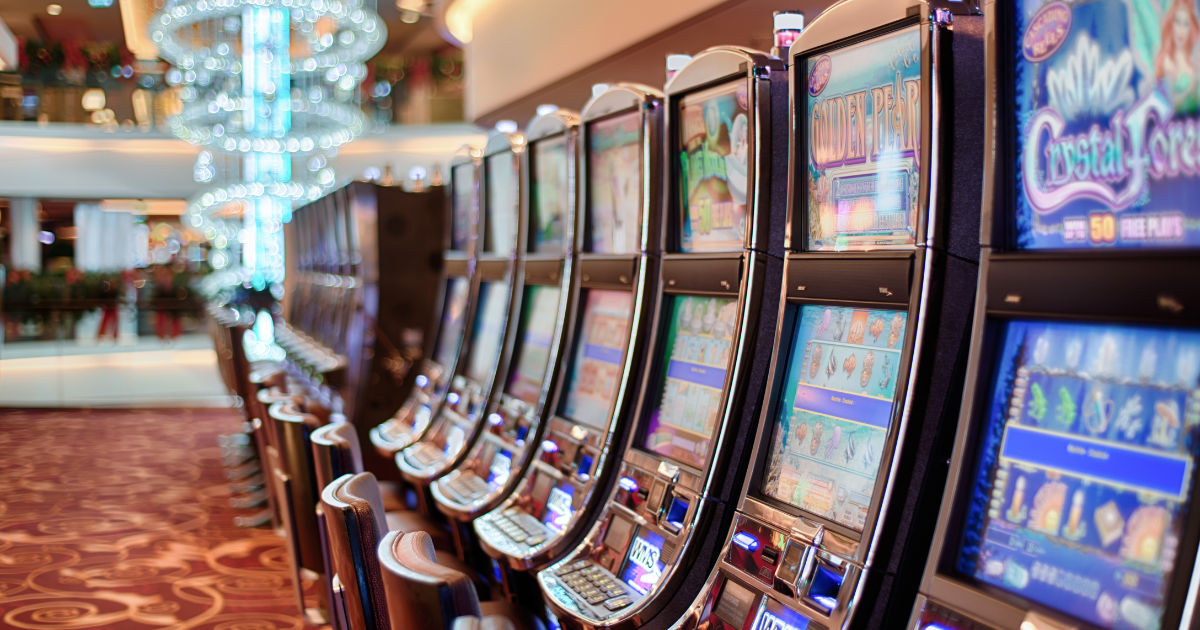
Concepts from risk studies help explain why people believe certain machines or systems feel “hot” or “lucky,” even when outcomes are actually random.
This article explores how risk topics in mathematics, psychology, and decision-making explain the idea often referred to as “situs slot ,” and why these beliefs form.
Risk in Simple Terms
What Is Risk?
Risk refers to the possibility of an outcome being different from what we expect. In probability theory, risk is measured by uncertainty.
For example:
- Flipping a coin has risk because the outcome is not guaranteed.
- Rolling a dice involves multiple possible results.
In environments often described using terms like “situs slot,” risk is even higher because outcomes are designed to be unpredictable.
Probability and Randomness
Probability is the mathematical way of measuring how likely something is to happen.
A key idea is:
- Random systems do not “remember” past results
- Each event is independent
This is important because many people assume patterns exist where none do.
Cognitive Biases and Human Thinking
The Illusion of Patterns
One major reason people believe in “hot streaks” is the brain’s natural tendency to find patterns.
This is called apophenia—seeing meaning in random data.
For example:
- If a result happens 3 times in a row, it feels “special”
- But statistically, streaks are normal in randomness
Gambler’s Fallacy
Another key risk concept is the gambler’s fallacy:
- The belief that past outcomes influence future independent events
Example:
- “It hasn’t hit in a while, so it must happen soon”
In reality, systems like those described in “situs slot” environments do not adjust based on previous outcomes.
Hot-Hand Fallacy
The opposite belief is also common:
- “It is currently hot, so it will continue being lucky”
Both fallacies come from misunderstanding randomness.
Risk Design in Random Systems
How Random Number Generators Work
Modern digital systems use algorithms called RNGs (Random Number Generators).
Key features:
- They produce unpredictable results
- They are not influenced by user behavior
- They are designed to simulate fairness
This means perceived “patterns” are usually coincidence.
House Edge and Expected Value
Risk systems often include a mathematical advantage for the operator.
Expected value explains:
- Over time, outcomes follow predictable averages
- Short-term results can vary widely
This gap between short-term experience and long-term math creates confusion.
Psychology Behind “Slot Gacor” Beliefs
Dopamine and Reward Systems
When unpredictable rewards occur, the brain releases dopamine.
This leads to:
- Excitement during uncertainty
- Strong memory of wins
- Emotional reinforcement of patterns
Even rare wins feel highly meaningful.
Variable Reward Schedules
Behavioral psychology shows that random rewards are the most addictive type.
Example:
- You don’t know when reward comes
- So attention increases
- Engagement becomes stronger
This explains why unpredictable systems feel “lucky” or “active.”
Misinterpretation of Risk Patterns
Why Humans Overestimate Control
People often believe they can influence random systems.
This is known as:
- Illusion of control
Examples include:
- Timing actions
- Following “strategies”
- Believing in “machines changing mood”
In reality, outcomes remain statistically independent.
Confirmation Bias
People remember:
- Wins that confirm beliefs
- Ignore losses that contradict them
This creates a false impression of consistency or “gacor” periods.
Mathematical View of Variance
What Is Variance?
Variance measures how spread out results are.
In risk systems:
- Short-term variance is high
- Long-term average is stable
This means:
- You may see “hot” and “cold” streaks
- But they balance out over time
Law of Large Numbers
This law explains:
- As sample size increases, results move toward expected probability
So streaks are temporary and naturally occurring.
Social Influence and Shared Beliefs
Online Communities
Beliefs about “hot” systems often spread through:
- Forums
- Social media
- Personal stories
These stories highlight wins but rarely show losses.
Reinforcement Through Sharing
When people share winning moments:
- Others believe patterns exist
- Group reinforcement strengthens belief
This creates cultural myths around randomness.
Risk Awareness and Responsible Thinking
Understanding Uncertainty
A key lesson from risk topics is:
- Uncertainty cannot be eliminated
- Only understood and managed
This applies to many decision-making areas, not just gaming.
Making Rational Decisions
Good risk thinking involves:
- Understanding probability limits
- Avoiding emotional decisions
- Recognizing cognitive bias
This helps reduce misinterpretation of random events.
Educational Summary of “Slot Gacor” Concept
From a risk-analysis perspective:
- There is no proven system that guarantees patterns in random outcomes
- Perceived “hot streaks” are statistical variation
- Human psychology strongly influences belief in patterns
- Mathematical probability remains consistent regardless of perception
The idea often described as “slot gacor” is best understood as a combination of randomness, bias, and emotional reinforcement.
Conclusion
Risk topics such as probability theory, variance, and behavioral psychology help explain why humans often misinterpret random systems. The feeling that certain systems are “hot” or “lucky” comes from natural cognitive biases, not actual changes in randomness.
By understanding concepts like independence of events, expected value, and confirmation bias, we can better interpret uncertain environments and avoid false pattern recognition.
Ultimately, risk education teaches a valuable lesson: randomness does not follow emotion, memory, or belief—it follows mathematical rules that remain consistent over time.